Open 24/7 - Available Anytime for Emergency Pest Control
Complete Termite Inspection and Treatment Services, West Kentucky Pest Control
Professional Termite Inspection and Treatment in Western Kentucky
Termites cost Kentucky homeowners thousands in hidden damage every year. We find active colonies, treat the infestation completely, and protect your property from future termite problems. Licensed technicians with 35 years of experience handling termite control across western Kentucky.
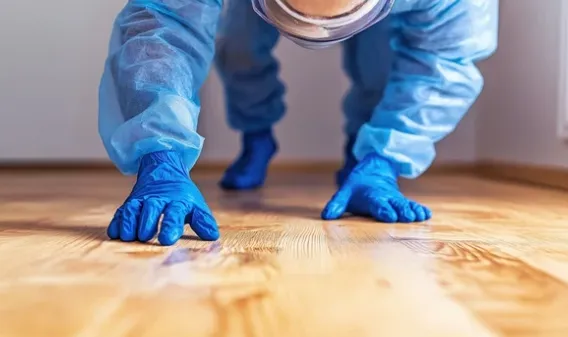
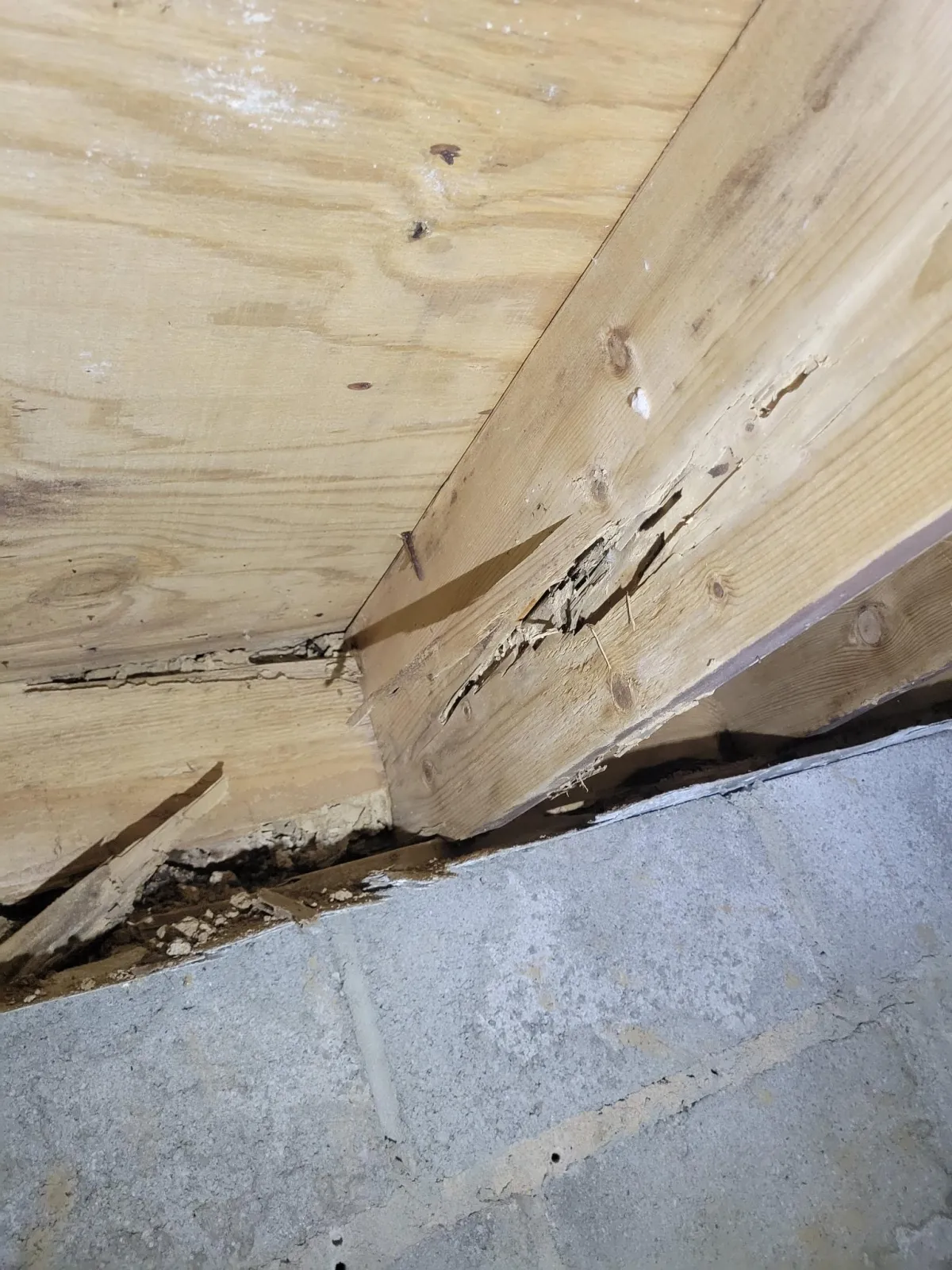
Termites don't announce themselves until the damage is done. By the time you see sawdust piles or hollow-sounding wood, they've been eating your property for months. We inspect every vulnerable area—foundation walls, crawl spaces, wooden beams, and moisture-prone spots where termites thrive in western Kentucky's climate. Our treatments eliminate the colony at the source and create barriers that stop new infestations. A homeowner in Providence called us after noticing soft spots in their floor joists. We found an active subterranean termite colony that had been there for over a year. We treated it, repaired the entry points, and set up monitoring stations. Two years later, no termites. That's how termite control should work.
WHY HOMEOWNERS CHOOSE West Kentucky Pest Control for Complete Termite Inspection and Treatment Services
Termite inspections require knowing where to look. We check foundation cracks, mud tubes along basement walls, wooden supports in crawl spaces, and moisture damage around plumbing. Our technicians have been doing this in Kentucky homes for decades. We don't rush through inspections or skip hard-to-reach areas. If termites are on your property, we find them before the damage gets worse.
We don't just spray surface areas and hope it works. Subterranean termites need colony elimination at the source. We use liquid treatments that reach deep into soil where termites nest, and we install monitoring stations that catch new activity early. Drywood termites get localized treatments that kill the infestation without fumigating your entire house. Every treatment plan is based on the termite species and how they're accessing your property.
Termite treatment costs depend on your property size, the extent of the infestation, and the treatment method required. We inspect first, then give you an exact quote with no hidden fees. New customers get 10% off their first termite treatment. You know what you're paying before we begin, and that price doesn't change once we're on-site.
We serve Providence, Paducah, Madisonville, Princeton, and every city in between. If you find termite damage at night or on a weekend, call us. We respond fast because termite problems don't wait. Our technicians are licensed, insured, and equipped to handle termite control in residential and commercial properties throughout the region.
Our Complete Termite Inspection and Treatment Services Service Includes:
Termite Inspections
We inspect your entire property for active termite colonies and conditions that attract them. This includes checking foundation perimeters, crawl spaces, wooden structures, and areas with moisture problems. You get a written report that explains what we found, where the damage is, and what treatment is needed. Inspections are thorough and take as long as necessary to cover every vulnerable spot on your property.
Subterranean Termite Treatment
Subterranean termites are the most common species in Kentucky. They build colonies underground and access your property through cracks in the foundation or mud tubes along walls. We treat the soil around your foundation with liquid termiticides that eliminate the colony and create a barrier against future infestations. We also install monitoring stations to catch new activity before it becomes a problem.
Drywood Termite Treatment
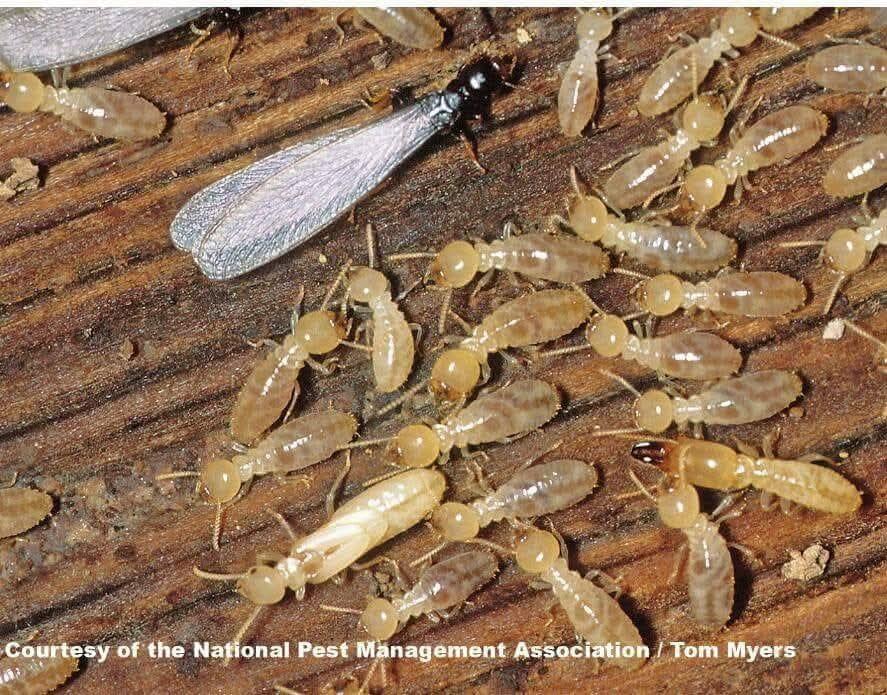
Drywood termites live inside the wood they're eating, not in soil. They're harder to detect but just as destructive. We locate the infested wood, apply targeted treatments that kill the colony, and remove damaged sections if necessary. This method avoids whole-house fumigation while eliminating the infestation completely. You get results without evacuating your home for days.
Our Simple 3-STEP Complete Termite Inspection and Treatment Services PROCESS
1
Thorough Property Inspection
We inspect your foundation, crawl spaces, basement, wooden supports, and any area where termites might be active. We look for mud tubes, damaged wood, frass (termite droppings), and moisture issues that attract colonies. The inspection covers both interior and exterior vulnerable points. Once complete, we explain what we found and recommend the treatment that works best for your property and termite species.
2
Targeted Treatment Application
We apply liquid termiticide treatments around your foundation, treating the soil where subterranean termites nest. For drywood termites, we use localized injections directly into infested wood. We also install monitoring stations at key points around your property to detect future termite activity early. Every treatment method is chosen based on the infestation type, property layout, and long-term prevention needs.
3
Follow-Up and Long-Term Protection
After treatment, we schedule a follow-up inspection to confirm the colony is eliminated. We check monitoring stations regularly and retreat if any new activity appears. You get clear instructions on how to prevent future infestations—fixing moisture problems, sealing foundation cracks, and removing wood-to-soil contact around your property. Our goal is permanent termite control, not repeat callbacks.
Ready to get started?
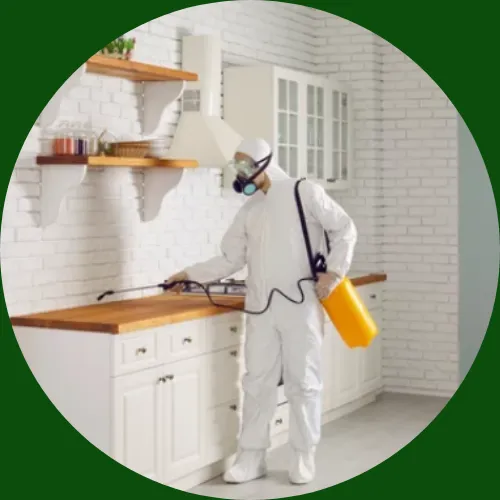
Termites chewing through your walls? Bed bugs keeping you up? Pests taking over your business?
Call Now and Get a Licensed Technician to Your Property Fast—Day or Night
Frequently Asked Questions
Got Questions? We’ve Got Answers!
How much does termite treatment cost?
Treatment costs depend on your property size, the severity of the infestation, and the termite species. Most residential treatments range from a few hundred to a few thousand dollars. We inspect your property first and give you an exact price before starting any work. New customers get 10% off their first termite treatment, so now is a good time to handle it.
How do I know if I have termites in my home?
Look for mud tubes along foundation walls, hollow-sounding wood when tapped, piles of frass that look like sawdust, or soft spots in wooden floors and beams. Subterranean termites leave mud tubes because they need moisture. Drywood termites leave small piles of pellets near infested wood. If you see any of these signs, call us for an inspection before the damage spreads.
Can termites come back after treatment?
Properly treated properties rarely see termites return. Our liquid treatments create long-lasting barriers in the soil, and monitoring stations catch new colonies early. However, termites can return if conditions change—new foundation cracks, moisture problems, or wood debris near your home. We offer follow-up inspections to check for new activity and retreat if necessary at no extra cost within the warranty period.
How long does termite treatment take?
Most residential termite treatments take 2–4 hours depending on property size and treatment type. Liquid applications around the foundation take longer than localized drywood treatments. We work efficiently but don't rush the process. You'll know the timeline during the inspection, and we schedule around your availability so you're not waiting days for us to show up.
Do I need to leave my house during termite treatment?
Not usually. Our liquid treatments are applied outside around the foundation, so you can stay inside during the process. Drywood termite treatments target specific areas and don't require whole-house evacuation. We use low-odor products and ventilate treated areas properly. If you have pets or small children, we'll give you specific instructions, but most customers don't need to leave.
What if I have more questions?
You can reach us at (270) 635-1451 or email us at [email protected] for more information — we’re always happy to help.
Anything Else You Need to Know Before Booking our Termite & Pest Control services.
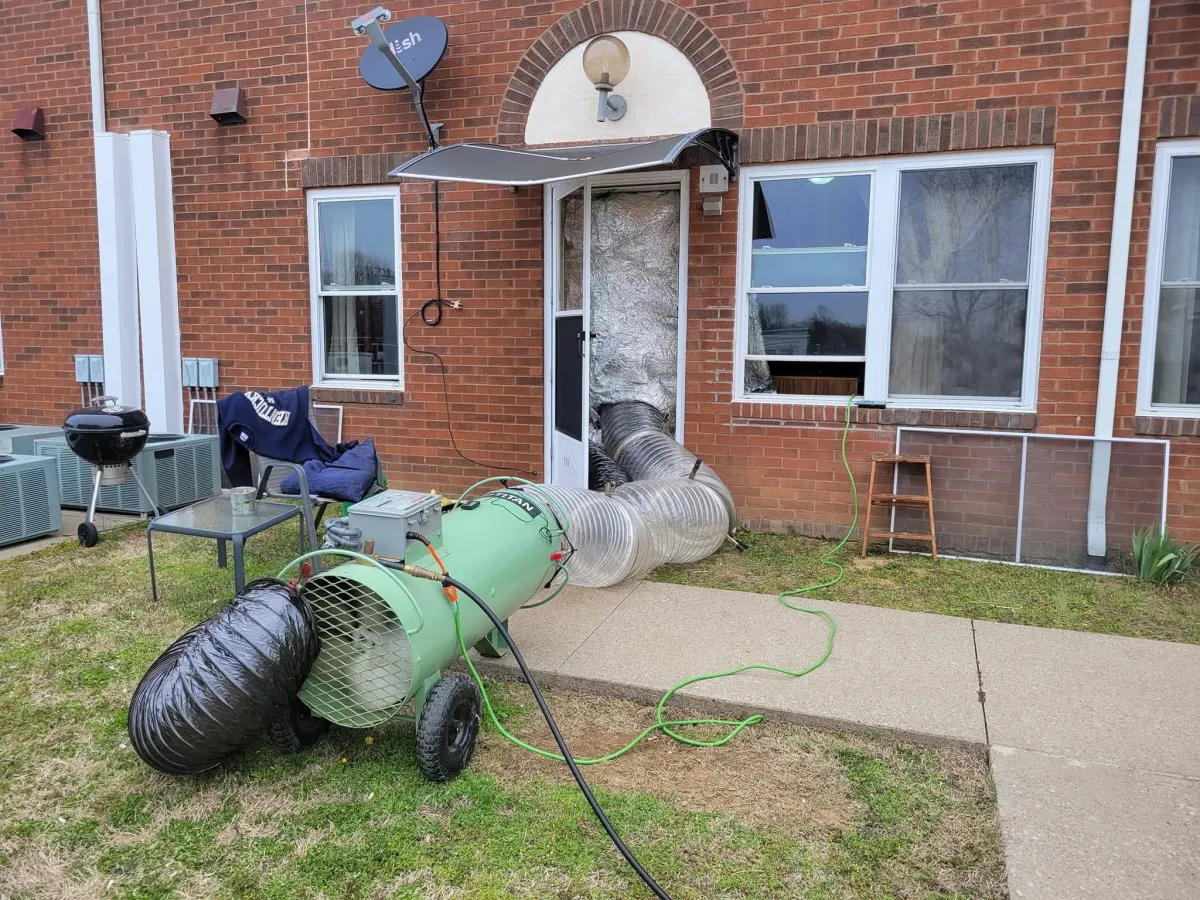
Get Help in 30 Minutes!
35 Years of Trusted Pest Control Excellence in Western Kentucky
Contact Us
Social

Quick Links
Services
Locations
